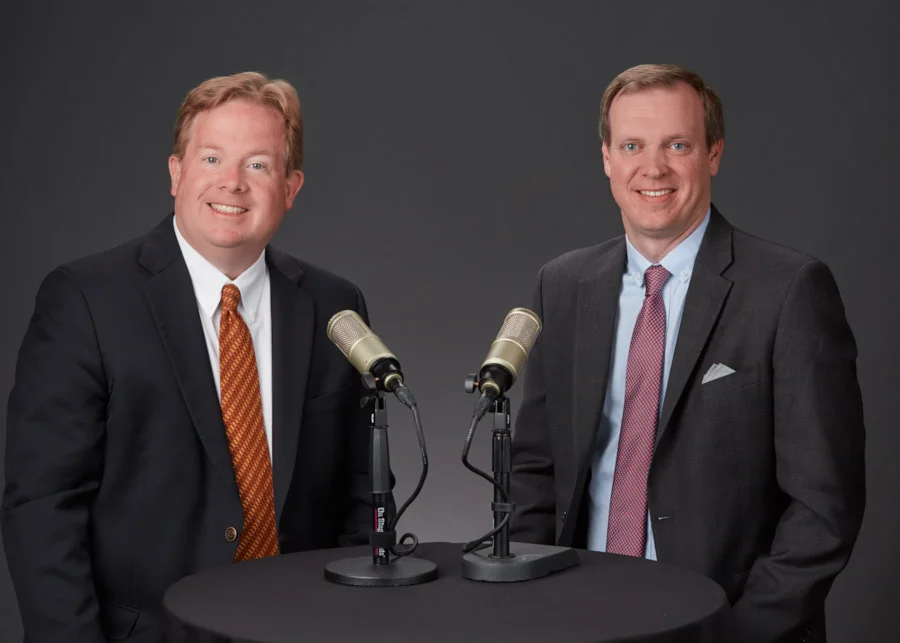
ASK MIKE MONDAYS - Michael, what are the worse case scenarios as a General Partner or Limited Partner if an apartment transaction goes bad?
/Michael gives examples on what can go wrong when investing in an apartment transaction.

With Paul Peebles & Michael Becker
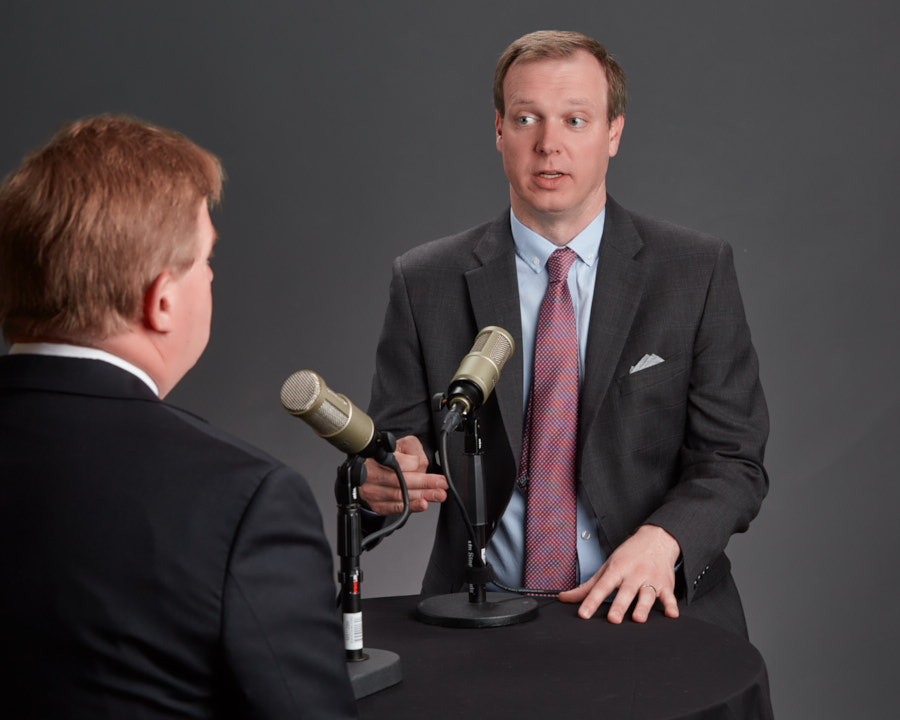

The Old Capital Podcast is aimed at Real Estate Investors - both new and experienced.
Hosts Michael Becker and Paul Peebles deliver no-hype education and expert perspectives.
You will gain valuable insights from interviews with actual real life investors who are active in acquiring and operating apartment complexes. You will discover how they are identifying, financing and operating apartment complexes, as well as helpful advice on how to get started and avoid common mistakes.
Michael gives examples on what can go wrong when investing in an apartment transaction.
How Jiu was never supposed to go to America. But in an incredible twist of fate during China’s Civil War in 1928, she set sail for San Francisco from Southern China, never to return to her family again. Only 18 years old and traveling under a false identity, How Jiu had to pass a grueling test before she was allowed to enter the United States. How Jiu married and raised a successful family in Northern California. Her journey changed everything in her life and future generations of her family. Just one step made all the difference. How Jiu’s granddaughter, Heidi Fong Young, tells her story and expands on some of the similarities she has with her grandmother. Taking a prudent risk could provide you a better life.
To contact Heidi Young: heidi@ecceventures.com
Are you interested in learning more about how Multifamily Syndications work? Please visit www.spiadvisory.com to learn more about Michael Becker’s Real Estate Syndication business with SPI Advisory LLC.
When you purchase an apartment building, your lender typically requires a PCA. (Property Condition Assessment). The PCA is the eyes and ears for the lender. Yes, the appraisal verifies the value, but the PCA identifies health and safety issues on the property. Can someone get hurt on your property because of the existing deferred maintenance. It also determines the amount replacement reserves that the lender will need to collect with your monthly payment. Michael, discusses items that you need to know within the PCA report.
Tony Lin lives and works in the San Jose area. He has a full time job as a computer software engineer. A few years ago he wanted to invest in single family homes outside of California. His business partner, Helen Lin, introduced him into the concept and benefits of multifamily investing. After seeing how the numbers worked and how you can make money in apartments…he was hooked. He invested, as a passive investor, in 10 apartment transactions. Helen introduced him to successful apartment syndicators Ken & Wind Yue. The Yue’s own over 2000 units. Ken & Wind took Tony and Helen under their wing and helped them sponsor their first deal. They acquired a stabilized, class B-/C+ property in Arlington, Texas in 2018. Tony explains how he structured their first transaction and how he operates the property from over 1700 miles away.
To contact Tony Lin: LINK.MULTIFAMILY@GMAIL.COM
Are you interested in learning more about how Multifamily Syndications work? Please visit www.spiadvisory.com to learn more about Michael Becker’s Real Estate Syndication business with SPI Advisory LLC.
Michael chats about current and future rent control issues that apartment owners are facing today. Tenants are concerned about affordability. Landlords are concerned about providing a return on capital to their investors. Politicians are creating new rent control laws.
State of California Rent Control: https://www.nytimes.com/2019/09/11/business/economy/california-rent-control.html?searchResultPosition=1
State of New York Rent Control: https://www.nytimes.com/2019/06/12/nyregion/rent-regulation-laws-new-york.html?searchResultPosition=4
NYC Landlords Respond: https://www.npr.org/2019/07/17/742875001/new-york-landlords-call-rent-control-laws-an-illegal-taking-in-new-federal-lawsu
Your lender is usually your largest partner. They can bring in almost 80% of the funds needed to close your apartment transaction. In the last, few years Fannie Mae and Freddie Mac have been the primary lender for apartment syndications. Sponsors have loved Fannie Mae and Freddie Mac because of their execution and flexibility to provide NON RECOURSE, LONG FIXED TERMS, LONGER AMORTIZATION, INTEREST ONLY & SUPPLEMENTAL LOANS. But, what happens IF these Government Supported Entities start to restrict lending. What happens when your lender changes course? We discuss what is happening in the apartment lending market today and what additional loan options you can explore.
US Treasury Update on Future Proposals for Fannie & Freddie:
https://home.treasury.gov/system/files/136/Treasury-Housing-Finance-Reform-Plan.pdf
https://www.fhfa.gov/mobile/Pages/public-affairs-detail.aspx?PageName=FHFA-Revises-Multifamily-Loan-Purchase-Caps-for-Fannie-Mae-and-Freddie-Mac.aspx
Are you interested in learning more about how Multifamily Syndications work? Please visit www.spiadvisory.com to learn more about Michael Becker’s Real Estate Syndication business with SPI Advisory LLC.
10 year treasury is the primary index that Fannie & Freddie use for 10 & 12 year fixed rates. Michael goes into detail about the impact of falling rates will have on the economy. Also, Michael discusses a real-life apartment example on what happens when interest rates fall on a sale.