





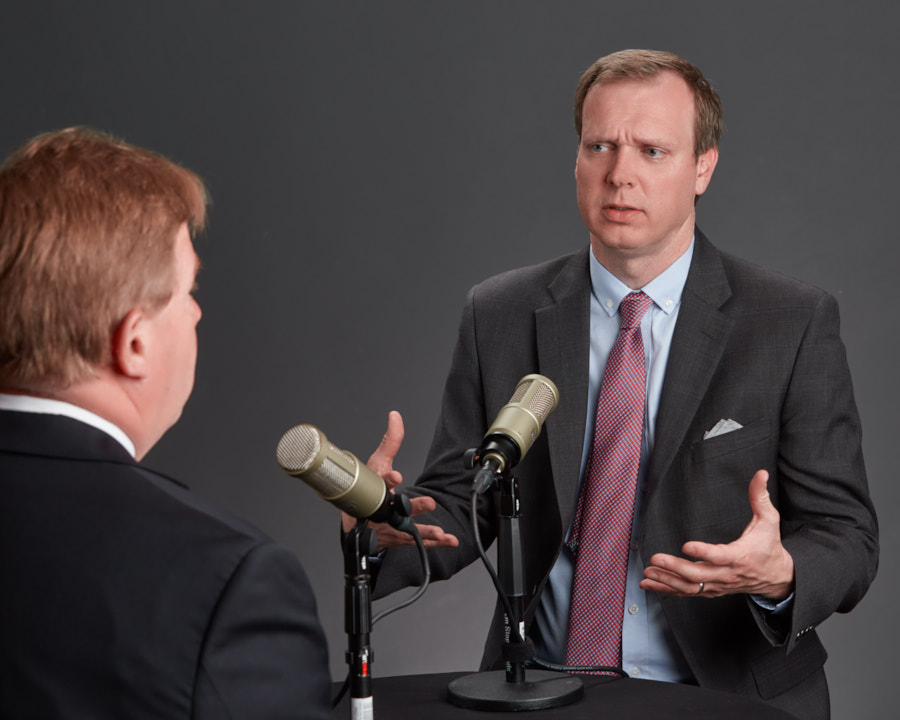



Episode 175 - “Where is the apartment market going?” Apartment Economist Greg Willett explains the future for investors

Greg Willett is the Chief Economist for RealPage. He is the nations top apartment economist that bankers, general partners and investors listen to. Here are some of his thoughts:

The U.S. apartment rents climbed 3.2 percent on an annual basis as of the first quarter of 2019. Annual rent growth has topped the 3 percent mark for six consecutive months, accelerating from a pace that had hovered around 2.7 percent in all of 2017 and in the initial nine months of 2018. Occupancy stood at 95.2 percent for the first quarter, edging up from 95.1 percent a year ago. However, since the cold weather months are a period of limited leasing activity, occupancy has slipped from its third quarter 2018 seasonal peak of 95.8 percent.
Greg mentioned, “It’s encouraging for apartment investors to see rent growth holding up so well when the new supply volumes are aggressive, while brand new properties still moving through the lease-up process tend to be offering discounts, pricing power actually has improved a bit for luxury developments where the initial resident base is now in place. Properties at middle-tier to lower-end price points are maintaining their already-strong rent growth momentum.”
Among the country’s large metros, local rent growth leaders are Phoenix and Las Vegas, each area posting annual price jumps around 8 percent. At the next tier of performance, rent growth reaches 5 percent or a little better in Atlanta, Greensboro/Winston-Salem, Memphis and Sacramento.
Some small metros are experiencing even stronger rent boosts. Rents are up 15.2 percent in the West Texas Oil Patch markets of Midland and Odessa, while price increases of roughly 7 to 8 percent are occurring in Wilmington, N.C.; Tucson, Ariz.; and Gainesville, Fla.
Houston’s performance is the weakest among big metros, with rents in the first quarter matching prices from a year ago. Slight rent cuts are occurring in three small markets: College Station, Texas; Fargo, N.D.; and Santa Rosa, Calif.

Visit RealPage at: RealPage.com

To receive our FREE page WHITE PAPER REPORT on the (updated) 2019 FUNDAMENTALS OF MULTIFAMILY FINANCING 101 and to learn more about upcoming educational events at Old Capital Speaker Series please visit us at OldCapitalPodcast.com
Are you interested in learning more about how Multifamily Syndications work? Please visit www.spiadvisory.com to learn more about Michael Becker’s Real Estate Syndication business with SPI Advisory LLC.

Episode 174 - Golden Nuggets from apartment investor JC Castillo

JC Castillo owns several large apartment buildings. Because JC is a disciplined real estate investor, it’s been almost two years between his last deal he closed on and his next new deal. Two years? Wow!
JC and his business partner Eric Hardy underwrote close to 100 purchase opportunities during that time. They knew exactly what they were looking for and couldn’t find the right location or demographic of tenant, right sales price, right rental rate upside, right rehab budget…so they waited till the opportunity was right. Just like fishermen…they had many hooks in the water…but they patiently waited for Moby Dick to appear.
JC attends many educational and networking conferences thru out the year. He recently attended two apartment specific investing conferences and shares some takeaways.

To contact JC Castillo: jc@multifamgroup.com

To receive our FREE page WHITE PAPER REPORT on the (updated) 2019 FUNDAMENTALS OF MULTIFAMILY FINANCING 101 and to learn more about upcoming educational events at Old Capital Speaker Series please visit us at OldCapitalPodcast.com
Are you interested in learning more about how Multifamily Syndications work? Please visit www.spiadvisory.com to learn more about Michael Becker’s Real Estate Syndication business with SPI Advisory LLC.

Episode 173 - Applying Warren Buffett’s investing knowledge to Multifamily

Every year, Warren Buffett, writes his Berkshire Hathaway shareholders a letter. This eagerly anticipated letter from the ‘Oracle from Omaha’ gives rich insights, from the greatest investor, on what has happen in the last 12 months for Berkshire and what he sees on the horizon for their owned businesses. Everyone (investors and non-investors) can learn life lessons from his common sense approach to investing in businesses and people.
Old Capital’s James Eng has taken Buffett’s 2019 annual report and deciphers several nuggets for the multifamily investor. There are several parallels in investing in apartments and investing like Warren Buffett.

To receive our FREE page WHITE PAPER REPORT on the (updated) 2019 FUNDAMENTALS OF MULTIFAMILY FINANCING 101 and to learn more about upcoming educational events at Old Capital Speaker Series please visit us at OldCapitalPodcast.com Are you interested in learning more about how Multifamily Syndications work? Please visit www.spiadvisory.com to learn more about Michael Becker’s Real Estate Syndication business with SPI Advisory LLC.

ASK MIKE MONDAYS - Michael, how do you deal with difficult or unreasonable limited partners AFTER we close?

Real estate is easy; people can be hard. In apartment syndications, general partners need equity. That equity comes from limited partners. Not all limited partners are going to be easy to work with AFTER you close. Setting the correct investment expectations with the limited partners at the beginning of the transaction is very important. Michael also discusses how he has dealt with a challenging investor.

Episode 172 - Why COST SEGREGATION will give you tremendous tax advantages when owning apartments

Cost segregation identifies building costs that would typically be depreciated over a 27.5 period and reclassifies them to permit a shorter, accelerated method of depreciation for certain building costs. Your apartment building is made up of thousands, maybe millions of parts. Flooring, cabinets, lighting, stoves are examples of items that can have different and shorter depreciation schedules. A cost segregation study identifies and reclassifies those assets to shorten the depreciation time for taxation purposes, which reduces current income tax obligations. This is one of the biggest reasons on why we buy real estate. Tax advantages!!
BBG is a nationwide commercial appraisal group that not only completes valuation, but helps real estate investors recognize rapid depreciation on their asset. Louis Yorey is a COST SEGREGATION expert with BBG. His group creates the cost segregation analysis/ report that assists you with tax savings.

To contact Louis Yorey: lyorey@bbgres.com

To receive our FREE page WHITE PAPER REPORT on the (updated) 2019 FUNDAMENTALS OF MULTIFAMILY FINANCING 101 and to learn more about upcoming educational events at Old Capital Speaker Series please visit us at OldCapitalPodcast.com Are you interested in learning more about how Multifamily Syndications work? Please visit www.spiadvisory.com to learn more about Michael Becker’s Real Estate Syndication business with SPI Advisory LLC.

ASK MIKE MONDAYS - Michael, what should an ASSET MANAGER do?

An asset manager oversees the property on behalf of the investors. They report any financial or physical changes (good or bad) to the general partner. They help in managing a solution. When you own a small property (10-30 units) you are the ASSET MANAGER…. When you purchase a larger property or own more apartment communities, you may need to hire an asset manager. Remember, your job, as a general partner is to find more apartment purchase opportunities and find more equity. An asset manager will need help run the operational side of the business.